



Reports & research
Reports & research · پژوهش و مطالعات
Fractures are seen at what level?
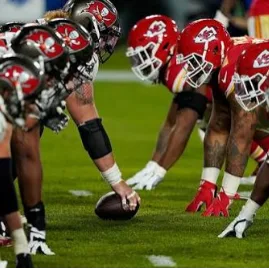
A study analyzing over 11,000 observations has explored the links between performance, experience, and race with the wages of American football players.
A study titled "Productivity, Race, and Salary in the National Football League: 2011–2018" was published online in the Journal of Sports Economics on October 10, 2026, according to the specialized sports economics platform. The research, conducted by Christopher Jepsen and Lisa K. Jepsen, examines wage distribution among NFL players.
The study utilizes data from NFL players who participated in at least one game between the 2011 and 2018 seasons, totaling 11,838 observations. Researchers combined wage data with player performance metrics, experience, games played, position, and draft status.
A key methodological feature is the use of unconditional multiple regression analysis. This approach goes beyond average wages, enabling examination of disparities across different wage distribution segments, such as comparing wage gaps between low- and high-income players.
After controlling for productivity and other factors, the study found that non-white players' wages were slightly lower on average. The wage gap varies across distribution segments: nearly 10% at the 10th percentile, around 4% at the 25th percentile, smaller differences at median percentiles, and a re-emergence of the gap at the 90th percentile.
The authors note that a significant portion of the disparity at the lower end of the distribution is concentrated among players with up to two years of experience, many of whom are undrafted and hold short-term contracts.
The findings are specific to the NFL and the studied time period and should not be directly applied to European football or other sports. Additionally, observing a statistical gap after controlling for variables does not prove all underlying mechanisms.
From a sports economics perspective, the study highlights that assessing wage fairness requires simultaneous consideration of productivity, player position, and income distribution. Relying solely on average wages may obscure differences among various groups.
Source: Christopher Jepsen and Lisa K. Jepsen, Journal of Sports Economics, published online October 10, 2026.
Full research text available at: SAGE Journals
End of message.
Reports & research

Reports & research

Reports & research

Reports & research

Reports & research

Reports & research